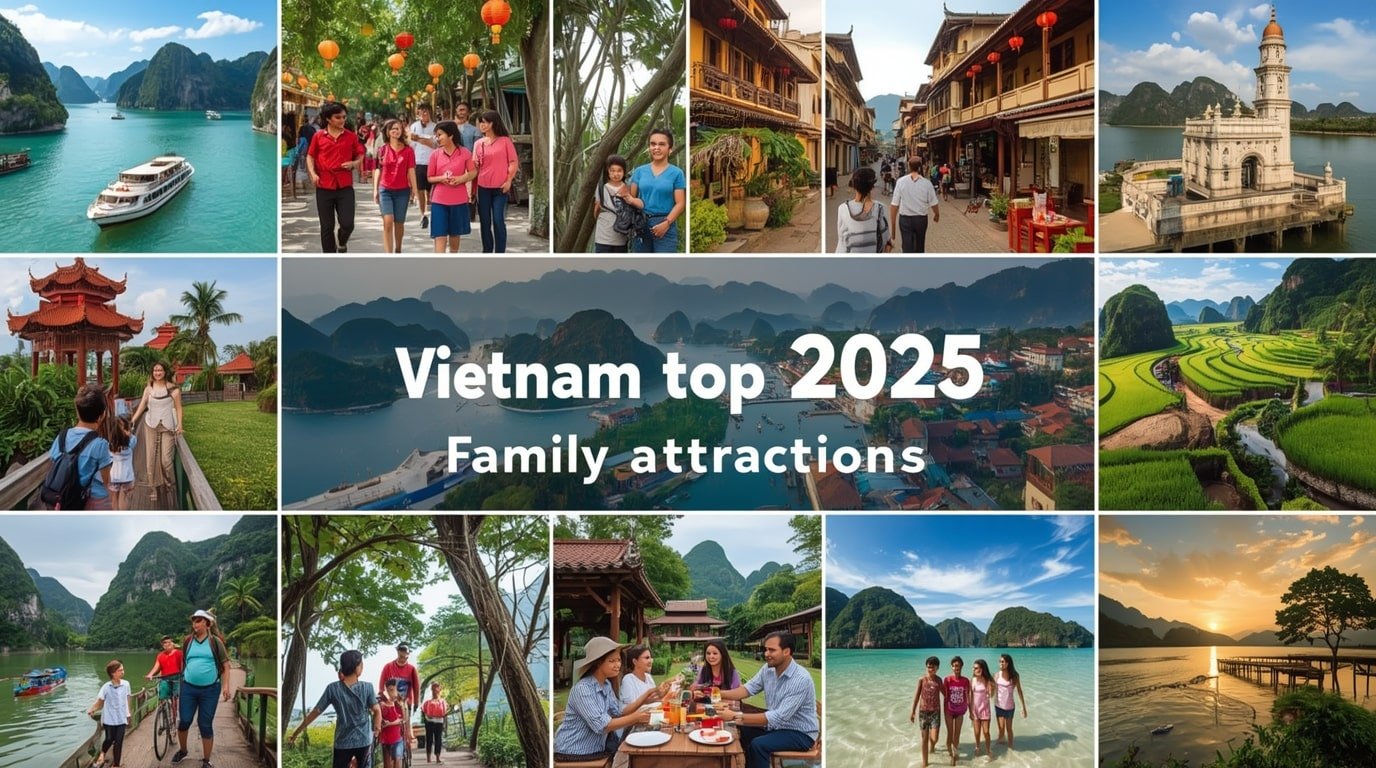
With an incredible twist of fate to the world tourism sector, Vietnam has literally moved to the top of the family vacation list and has attracted unprecedented attention from major Asian markets.
With the 2025 holiday making plans, the statistics show a drastic increase in queries and bookings among the South Koreans, Indians, Singaporeans, Australians, and Malaysian markets, making the nation a destination to visit during multigenerational travel.
This influx highlights the cultural richness, low-cost travel offerings and family-oriented infrastructure in Vietnam as it passes over traditional destinations such as Thailand and Indonesia in response to changing post-pandemic travel trends.
This momentum is based on the strategic opening and marketing campaigns of Vietnam, which have been emphasising its various sceneries in the busy Hanoi streets to the calm Ha Long Bay tours. Exploring destinations that provide not only relaxation but also educational aspects is becoming a trend among families, and Vietnam is able to fulfil this with UNESCO attractions, cooking classes as an interactive experience, and the ability to go on an eco-tour to enjoy all ages.
Industry observers attribute the boom to specific advertisements that focus on safety, value, and authenticity and in particular the appeal to low-end Asian travellers who are facing economic challenges.
The Main Reasons that Lead to the Family Travel Boom
South Korea is at the forefront, with the number of family travel requests to Vietnam surging more than 40% annually due to direct flights and itineraries based on Korean dramas featuring colonial buildings and street food culture.
Indian families are close behind, and they are attracted by visa-on-arrival convenience and vegetarian food. Singaporeans love short-haul getaways that incorporate the urban feel in Ho Chi Minh City and rural country escapes in the Mekong Delta.
Australians and Malaysians complete the list of the largest contributors, and they are more focused on the sustainable solutions, such as community-based homestays and national park visits, that follow the current trends of eco-friendly parenting.
This influx comes at the right time when Vietnam is making significant investments in family-related amenities. New concepts are child-centric resorts in Phu Quoc with water parks and kids club, as well as increased accessibility on the beachfront in Da Nang.
The initiative to enable digital nomad visas by the government is also appealing to working parents who balance business and leisure, and extend their stay and the growth of the local economy. Vietnam has attractive value with the average packages of the family being cheaper by 30% compared to the same visit to Bali, yet without compromising on quality.
Cultural and Adventure Highlights are Attracting the Crowds
The beauty of Vietnam is in the innumerable packages that it has to offer to families. The Old Quarter in Hanoi is the best place to get a history lesson on cyclo tours, and puppet shows, as well as the terraced rice fields of Sapa is a great way to take a soft hike as a young explorer.
The core areas are hotbeds of Hoi An lantern-lit old town, lantern-workshops and artistic creativity. Southern delights such as the Cu Chi Tunnels are a combination of both educating on surviving and adventure, and the floating markets of Can Tho show the colourful local lifestyle.
To unwind, Nha Trang and Phu Quoc beaches compete with the Caribbean beaches, including snorkelling and family yoga lessons. Food tours are geared towards direct experiences, be it the pho-making lessons or fruit-picking in orchards and encourage cultural exchange. Traditional spa treatments are included in health and wellness retreats in mountainous locations, which attract parents who want to be rejuvenated amid kid-friendly activities.
Economic Implications and Projections
The family travel wave is expected to inject the Vietnamese economy with billions of dollars, and the number of visitors is expected to reach up to 2025, with the possibility of having more 2025 visitors than the number in 2024, which is 15% higher.
Hospitality industries are on the growth and international chains such as Marriott and Accor are introducing family suites, and locally based operators are introducing thematic suites. Issues such as infrastructure pressure in peak destinations are being overcome by sustainable tourism programs, such as crowd regulation in Ha Long Bay.
Analysts predict that this will continue until 2026 because the family attractiveness of Vietnam is increasing through the power of word-of-mouth and social media. Airlines are retaliating by providing more routes, and this is making them accessible than none before.
With global families basing their vacation experiences on the quality of relationships and not luxury, Vietnam is poised to reinvent the Southeast Asian experience in terms of incorporating the past with the present comforts to make memorable holidays.
This trend is an indicator of a wider trend in being inclusive and enriching, a destination where adventure is combined with affordability. Vietnam, as an up-and-coming destination, can be a destination to visit that will appeal to both the older and younger generations.