Amid a spectacular recovery in the travel sector, Singapore has reported a 7% increase in tourist numbers in 2008, mainly due to the growing popularity of the Mandai Wildlife Reserve.
This development is an excellent milestone because the city-state is still recovering from the disruptive world events that have made it a leading eco-tourism destination in Southeast Asia. The figures were announced by officials at the Singapore Tourism Board (STB) at a press conference today and indicate that innovative attractions and sustainable practices are attracting international visitors back in large numbers.
The information indicates that the number of tourists visiting Singapore in 2025 has increased by more than 15 million compared to the year before, with family and nature travellers contributing significantly to this growth.
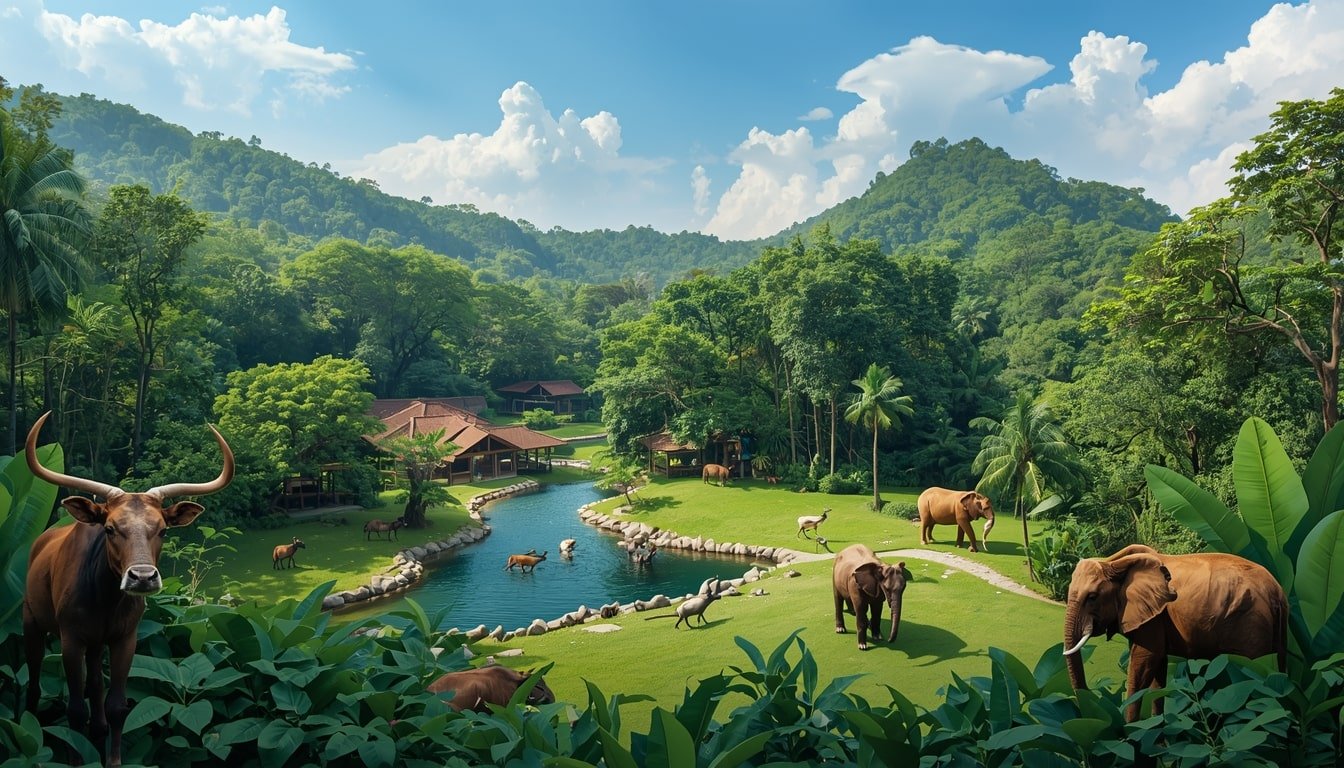
This increment can be attributed to strategic marketing campaigns as well as improvements on the major sites, though Mandai Wildlife Reserve is the star performer. The reserve, which houses some of Singapore’s best attractions, such as the Singapore Zoo, Night Safari, River Wonders, and Bird Paradise, has seen a 20 per cent increase in attendance, with millions of people seeking a good wildlife adventure.
Various factors have combined to fuel this tourism spurt. Wellness, nature, and family bonding are the new post-pandemic travel trends, which perfectly match Singapore. The Passion Made Possible campaign, run by the STB, has successfully appealed to markets in Asia, Europe, and North America, promoting the island’s fusion of urban and natural marvels. Also, relaxed visa regulations for various nations and enhanced air connectivity have contributed to opening up Singapore.
The analysts cite that the world has been broadly recovering in travel, and Singapore has the advantage of being considered safe and clean. The 7% increase is higher than expected and is estimated to contribute SGD 25 billion to the economy through accommodation, dining, and attraction expenditures. Hotels also recorded an occupancy rate of 85%, a 10-percentage-point rise in the retail and food sectors.
Effect of Mandai Wildlife Reserve
This boom has a centre in the Mandai wildlife reserve, where it has been highly developed to increase visitor interaction. Augmented reality animal encounters and behind-the-scenes conservation tours are new interactive exhibits that have attracted people. Sustainability, such as the zero-waste program and habitat restoration, is also a part of the reserve that appeals to environmentally conscious travellers.
Testimonials from visitors highlight the attraction: Australian and UK families express appreciation for the Night Safari’s nocturnal adventures. In contrast, Asian tourists are drawn to the cultural harmony of wildlife education.
Mandai has also raised its profile through associations with international conservation organisations, on the one hand, which have brought wildlife lovers and researchers to the park. The reserve has been hosting global events such as the World Wildlife Conference this year to boost inbound tourism.
Challenges and Government Initiatives
The government has been central to the ideologies of infrastructure investments. More than SGD 1 billion has been invested in the development of Mandai, including new transport connections and environmentally friendly accommodation. Tour operator incentives and digital marketing campaigns have enhanced social media coverage.
However, challenges remain. The rise in global inflation and competition with neighbouring destinations such as Thailand and Malaysia requires constant innovation. STB officials stressed the need to continue growth through diversified offerings, including tech-based experiences like virtual reality tours.
Future Outlook
In the future, Singapore plans to reach 8-10% growth by 2026, with Mandai planning to open a new primate habitat and more bird aviaries. Researchers project that there will be greater emphasis on sustainable tourism, which will entrench Singapore as a trendsetter in this field. The combination of nature and modernity in the Lion City will be timeless as the world turns to green travel.
Not only does this thriving revitalise the economy, but it also highlights Singapore’s resilience and progressive attitude in the post-pandemic period.