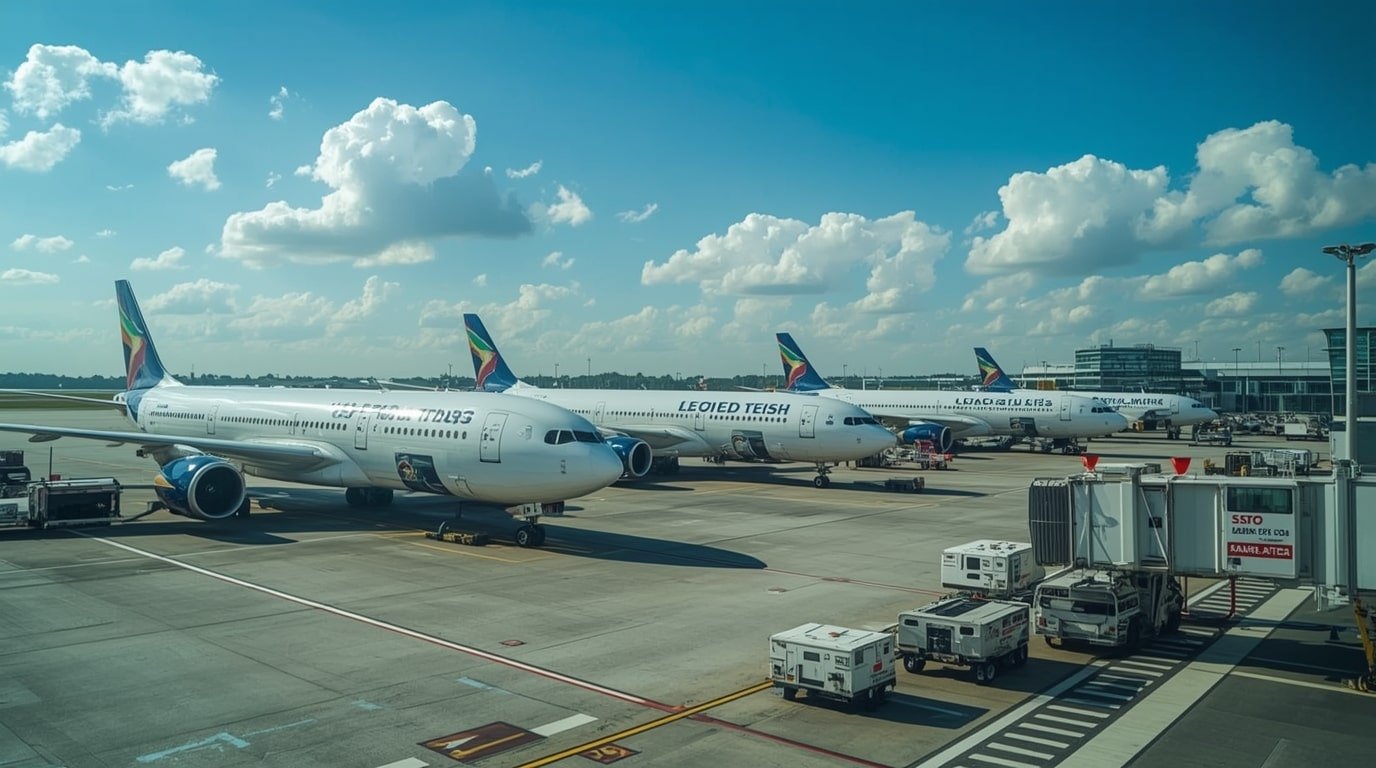
In an unprecedented leap into the world of aviation, a group of leading airlines has now announced the introduction of a massive direct flight network connecting the secondary cities of the continents. This initiative, known as the Horizon Link Initiative, was announced on December 15, 2025, during a press conference in Dubai and is intended to circumvent over-capacity hubs by linking underserved cities.
Carriers that will take part are Emirates, Delta Air Lines, Air China and LATAM Airlines, and the first routes will be in March 2026. This action responds to the growing pressure to travel more efficiently amid escalating fuel prices and environmental concerns, which could change how millions of people access international destinations.
The network will include more than 50 new nonstop flights to cities such as Chengdu, China; Medellin, Colombia; Krakow, Poland; and Durban, South Africa. These cities are often overshadowed by metropolises such as Beijing, Bogotá, Warsaw, and Johannesburg, yet they have exotic cultures, emerging technology centres, and natural resources.
The initiative will reduce carbon emissions through optimised routing, reduced layover hassles, and shorter travel times by up to 40 per cent by opening direct flights. An example is that a direct flight from Chengdu to Medellin will save hours of travel time compared to a route that has to pass through major gateways.
The Major Characteristics of the Horizon Link Initiative
The consortium has invested billions of dollars in fleet upgrades and airport infrastructure to support the network. New flights will be made using fuel-efficient aeroplanes such as the Boeing 787 Dreamliner and Airbus A350, which will feature advanced navigation systems to enable precision and long-range flights.
The passengers will be offered low fares of $300 for economy transcontinental fares, with premium options, including improved Wi-Fi and sustainable food. An all-purpose AI-driven booking platform will enable hassle-free bookings with any airline, with loyalty programs included to provide additional services.
One of its key pillars is sustainability, whereby they have vowed to counteract all the emissions by planting more trees and increasing biofuel uptake. In secondary cities, airports will be upgraded, e.g., by increasing terminal capacity in Krakow and cargo capacity in Durban, to meet the demand from rising traffic.
This not only spurs local economies but also makes it easier to be a tourist in an off-the-beaten-path destination, such as exploring the whimsical street art of Medellin or the golden beaches of Durban, without having to do the extra legwork.
Response in Industry and Government
Airline leaders acclaimed the launch, calling it a game-changer. Emirates CEO Sheikh Ahmed bin Saeed Al Maktoum termed it as filling the gap between global ambition and local opportunity, which will enable secondary cities to shine on the world stage.
The leadership of Delta emphasised how it fits into post-pandemic trends, where tourists want to experience the authentic world rather than tourist traps. The plan has been supported by the governments involved, with Poland’s tourism ministry stating that there is a possibility of increasing GDP due to inflows to Krakow’s historic sites.
Analysts predict that passenger volume on these routes will increase by 25% in the first year, benefiting small enterprises, including local guides and boutique hotels. The regulatory approvals and weather-related disruption in remote locations, however, are the impediments. Aviation professionals recommend monitoring equitable access to ensure low-income areas are not left behind.
Expansive Effects on Global Travel
This network has the potential to create a domino effect, with more alliances forming in other parts of the world and air travel being democratised. With rural-urban migration accelerating, the linking of secondary cities fosters expectations of exchanges in the sphere of innovative technological startups in Chengdu and businessmen in Medellin. For regular flyers, this would enable them to have more choices when it comes to impromptu getaways, either in the medieval beauty of Krakow or to the wildlife of Durban.
Basically, the Horizon Link Initiative is a sign of a move towards inclusive aviation, making the world smaller and more accessible. Since it has been rolled out, it has been inviting travellers to explore forgotten travel spots, and economic life and cultural relations are seen rising in the interconnected world.